Highway Resurfacing in Little Rock, AR
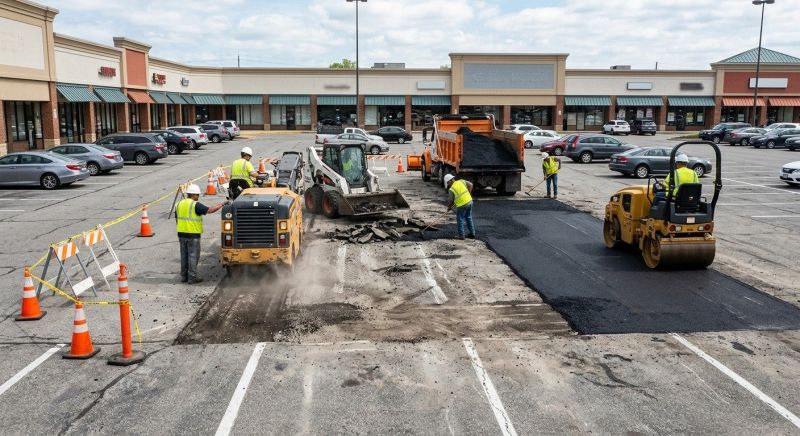
Highway resurfacing services involve the process of restoring and renewing existing roadways to improve their durability, safety, and overall appearance. This service typically covers projects such as repaving residential streets, driveways, parking lots, and other paved surfaces that have experienced wear and tear over time. Property owners often seek resurfacing to address issues like cracks, potholes, fading, or uneven surfaces, ensuring a smoother and safer driving experience. Before requesting resurfacing, it’s useful to understand the current condition of the pavement, the extent of damage, and whether any underlying issues, such as drainage problems or structural weaknesses, need to be addressed first.
Property owners should also consider the scope of the project, including the size of the area to be resurfaced and any necessary preparation work, such as crack filling or patching. Clarifying the desired outcome, whether it’s a fresh look or improved functionality, can help determine the appropriate resurfacing method. Additionally, understanding the types of materials available and their suitability for local weather conditions can influence the longevity and performance of the new surface. This service is suitable for those looking to extend the life of existing pavement and enhance the overall value of their property’s exterior surfaces.
Many property owners in Little Rock, AR look into Highway Resurfacing for repairs, replacements, upgrades, and appearance-related improvements.
Benefits Of Highway Resurfacing
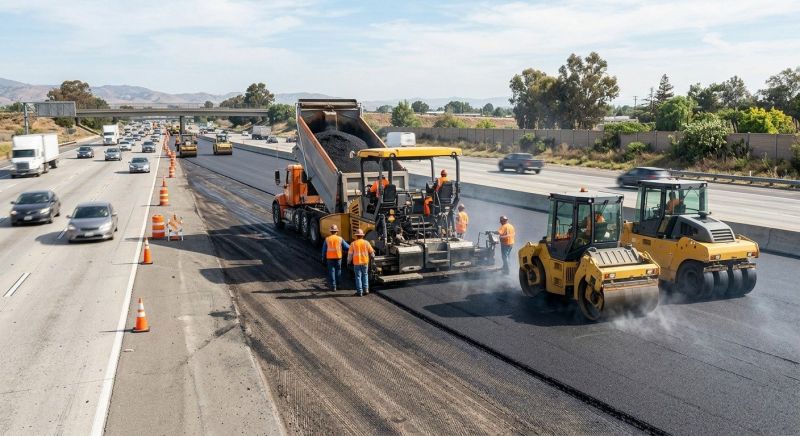
Restores smoothness and safety to busy roadways in little rock and surrounding areas.
Common Resurfacing Projects
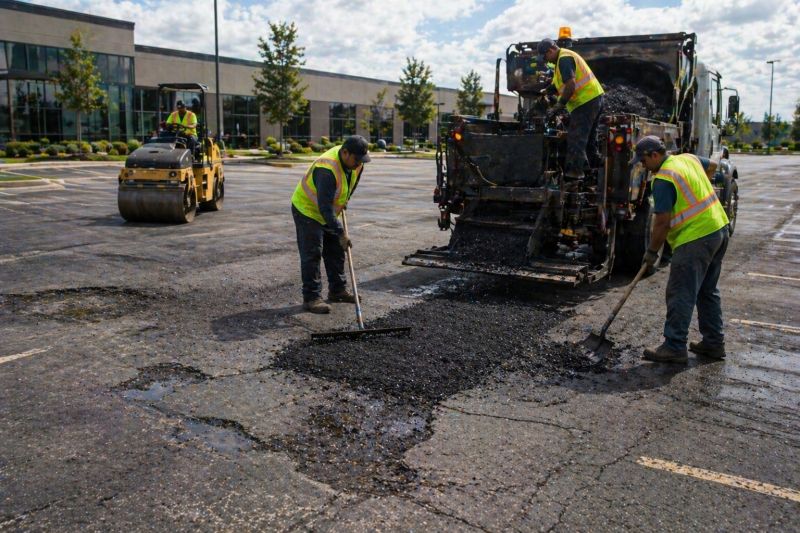
Includes repair of cracks, potholes, and worn-out pavement on highways and main roads.
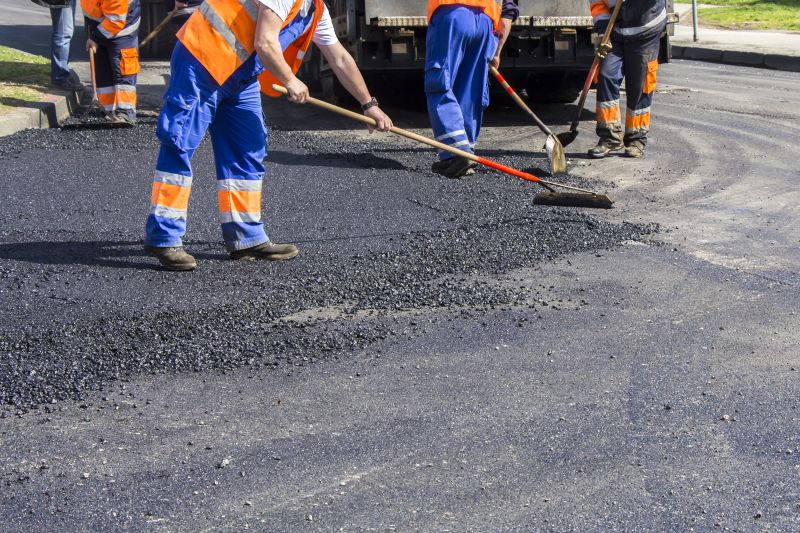
What Property Owners Should Know
Proper resurfacing extends the lifespan of roads and improves driving experience for residents and visitors.
Highway Resurfacing in Little Rock, AR

Highway resurfacing services involve the process of restoring and renewing existing roadways to improve their durability, safety, and overall appearance. This service typically covers projects such as repaving residential streets, driveways, parking lots, and other paved surfaces that have experienced wear and tear over time. Property owners often seek resurfacing to address issues like cracks, potholes, fading, or uneven surfaces, ensuring a smoother and safer driving experience. Before requesting resurfacing, it’s useful to understand the current condition of the pavement, the extent of damage, and whether any underlying issues, such as drainage problems or structural weaknesses, need to be addressed first.
Property owners should also consider the scope of the project, including the size of the area to be resurfaced and any necessary preparation work, such as crack filling or patching. Clarifying the desired outcome, whether it’s a fresh look or improved functionality, can help determine the appropriate resurfacing method. Additionally, understanding the types of materials available and their suitability for local weather conditions can influence the longevity and performance of the new surface. This service is suitable for those looking to extend the life of existing pavement and enhance the overall value of their property’s exterior surfaces.
Many property owners in Little Rock, AR look into Highway Resurfacing for repairs, replacements, upgrades, and appearance-related improvements.
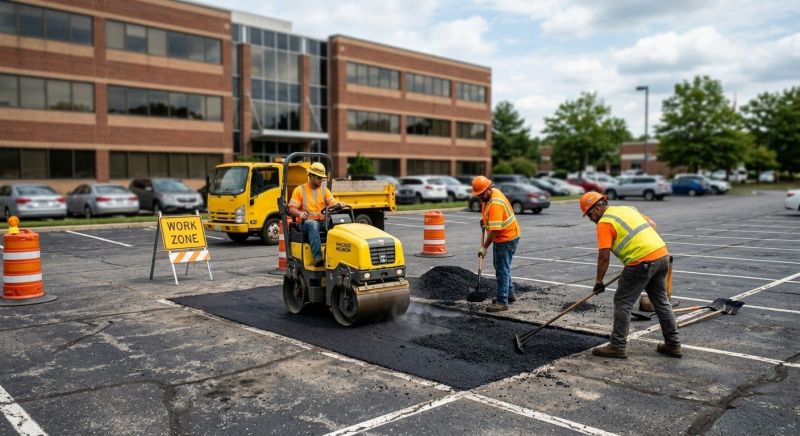
Common Highway Resurfacing Jobs
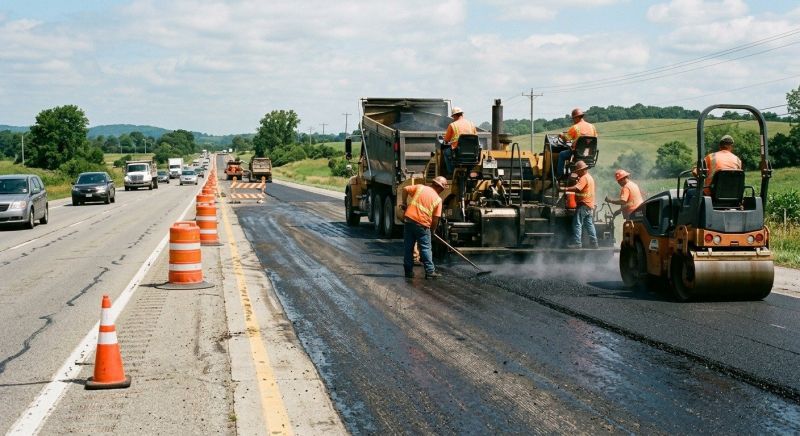
Highway Resurfacing - Restores the surface of existing roads to improve safety and driving comfort.
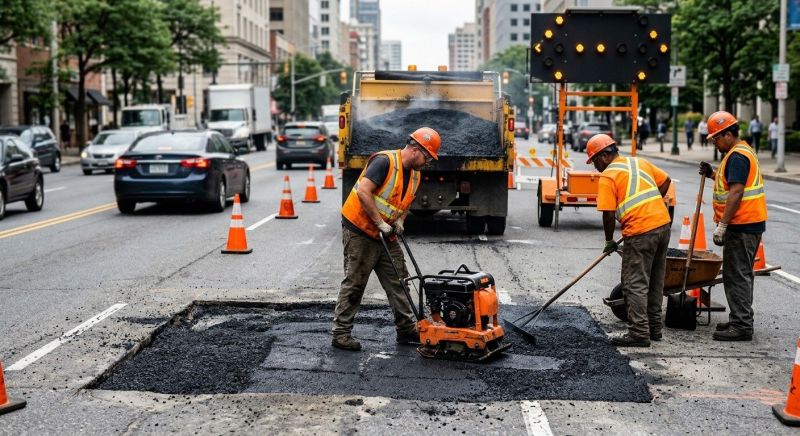
Pothole Repair - Fixes potholes to prevent vehicle damage and reduce road hazards.
Surface Overlay - Adds a new layer of asphalt to extend the life of the roadway.
Crack Sealing - Seals cracks to prevent water infiltration and further deterioration.
Full-Depth Reclamation - Recycles existing pavement materials for a stronger, more durable surface.
Edge Resurfacing - Reinforces road edges to prevent crumbling and maintain proper drainage.
Highway Resurfacing Questions
What is highway resurfacing? Highway resurfacing involves applying a new layer of asphalt or pavement to restore a worn or damaged roadway, improving safety and driving conditions.
When should a highway be resurfaced? Resurfacing is recommended when the existing pavement shows signs of extensive wear, cracks, or raveling that affect ride quality and safety.
What types of projects require highway resurfacing? Projects often include major roads, parking lots, and driveways that need durable, smooth surfaces for vehicle traffic.
What should property owners consider before resurfacing? It's important to assess the current condition of the pavement and choose the appropriate resurfacing method for long-lasting results.
Request Highway Resurfacing in Little Rock, AR
Use the quote form on this page to share the basics of your project and request more information for the type of work you need.